


A Thorough Examination of Casino VIP Programs

Every online casino player has, BCasino, at one point or another, looked at a loyalty page and considered whether the highest tiers are actually attainable or just decorative marketing. We have analyzed the architecture behind these programs across multiple platforms, and the reality is more subtle than most promotional material suggests. VIP programs are not just a cosmetic layer of status badges. They function as structured retention ecosystems that reward consistent play with tangible, often negotiable, benefits. Grasping how these systems work in practice—what initiates an invitation, how points transfer, and where the real value resides—transforms the way a player engages with a casino over the long term.
Number two. The Invitation-Only Threshold: What Activates a VIP Invitation
The boundary between an openly available top level and a real private VIP section is where casino reward programs grow obscure. We have interviewed numerous players who thought that reaching the highest visible tier on the progress bar would automatically unlock custom account management, only to realize that the actual VIP tier is above the published ladder. Offers to these closed tiers are typically triggered by a set of criteria that go well beyond basic betting volume. Casino risk and advertising teams evaluate net profit created, frequency and recency of deposits, game choice, and even the consistency of the player’s behaviour over quarters rather than weeks. A player depositing €500 every weekend for six months often appears significantly more enticing to a VIP team than a person who adds €10,000 once and then becomes inactive.
The internal review process is hardly ever automated. We gather from industry sources that many mid-sized and large casinos use a team of VIP hosts who manually review accounts that cross certain algorithmic thresholds. These thresholds might include monthly net loss, theoretical win for the house, or total deposit amounts exceeding a confidential figure. The host then evaluates whether the player’s activity pattern suggests long-term potential before extending a trial invitation. This human gatekeeping means that two players with identical wagering stats can receive different outcomes based on factors such as responsible gaming flags, withdrawal frequency, or even the host’s current portfolio load. It also means that politely inquiring with customer support about VIP criteria can occasionally prompt a manual review that might not otherwise have occurred.
Gentle Signals That Herald an Invitation
Prior to receiving an official invitation, attentive players often detect small but meaningful shifts in the casino’s treatment of their account. Payout processing times may become noticeably faster, generic customer support replies start carrying the name of a specific agent, and promotional offers begin to feel tailored rather than batch-sent. We have seen that these subtle indicators typically manifest when a player’s monthly deposit volume falls within the top decile of the casino’s active user base, though the precise percentile remains proprietary. Recognising these cues is important because the window between gentle-signal status and a full VIP invitation is the perfect time to politely request a dedicated account manager, which can accelerate the process considerably.
5. Transaction Methods, Player Level, and Payout Hurdles
The link between a user’s preferred payment method and their VIP journey is more intertwined than the typical casino marketing implies. Deposit speed is uniform across the industry: e-wallets, instant bank transfer services, and cryptocurrency deposits settle in seconds no matter the tier. The critical bottleneck is withdrawal processing. At entry and mid-level tiers, withdrawal requests often sit in a queue for 24 to 72 hours for internal review, then additional time for the payment rail to deliver funds. VIP players bypass much of this queue through manual processing by their account manager, and in the highest tiers, withdrawals may be authorised automatically up to a certain amount without standard security checks. For Swiss players using local payment methods, we have noted that VIP status typically shortens the end-to-end withdrawal timeline from roughly three business days to same-day or next-day settlement.
The choice of payment method also affects how a casino evaluates a player during invitation reviews. Sticking with a single, verified payment option—especially a Swiss bank transfer or a long-standing e-wallet account—indicates stability and minimizes the compliance friction that can slow VIP onboarding. Regularly switching between multiple wallets, prepaid vouchers, and crypto addresses, by contrast, poses source-of-funds questions that may slow or disrupt a VIP review. We have noted that some VIP teams openly favour players who use methods that leave auditable trails, because this streamlines the enhanced due diligence that high-value accounts undergo. This is not a published criterion, but it is a frequent pattern we recognise from player accounts and industry discussion.
Currency Conversion and VIP Efficiency
For Swiss players operating in CHF or EUR, the currency conversion layer adds a cost that VIP status can mitigate but not eliminate. Many international casino platforms handle transactions in EUR by default, meaning CHF deposits and withdrawals incur a conversion spread imposed by the payment processor or the casino’s treasury function. Some VIP programs feature custom currency handling—processing Swiss franc transactions directly or absorbing conversion costs on large withdrawals—but this is a tailored benefit rather than a standard tier perk. We advise Swiss players to explicitly inquire about currency handling during VIP onboarding conversations, because the annual savings from removed conversion fees on substantial volume can surpass the value of many trophy-style rewards.
Šestá The Geographic Nuance: VIP programy a švýcarský trh
Švýcarsko zaujímá a distinctive position in the online casino landscape, což ovlivňuje how international operators structure VIP benefits for Swiss-domiciled players. Regulační rámec země povoluje licensed land-based casinos provozovat online hazard podle švýcarského práva, ale mnozí švýcarští hráči také využívá internationally licensed platforms. leggi l’approfondimento Pro ty, kteří využívají mezinárodní stránky, VIP zážitek má jinou váhu praktických versus propagačních výhod. We observe, that Swiss VIPs často přikládají vyšší hodnotu on tangible financial efficiency—rychlejší vyplácení v CHF, nižší poplatky za směnu, a transparentní daňové zacházení—než na pozvánky na události spojené s přeshraničním cestováním. A well-designed VIP program pro švýcarské publikum recognises že personalizovaná struktura cashbacku or a dedicated deutschsprachiger account manager často přináší větší každodenní užitek than a weekend in Monaco.
Language support at the VIP level is an additional geographically specific dimension that is often underestimated. A Swiss German-speaking VIP requires to communicate with their account manager in Swiss German or standard German, not exclusively in English. Programs that assign regionally fluent hosts to Swiss players exhibit a level of operational investment that distinguishes structurally serious VIP departments from those running a one-size-fits-all desk. We have also tracked that Swiss banking holidays and local payment infrastructure quirks—such as TWINT availability or PostFinance processing windows—are handled far more competently by VIP managers who are familiar with the Swiss financial calendar. Asking a prospective VIP host directly about their familiarity with Swiss payment rails is a quick litmus test for the program’s regional competence.
- Ensure language-aligned assistance: At the start of VIP interactions, request an account manager who speaks fluently in your desired Swiss language.
- Confirm currency processing rules: Ascertain whether withdrawals can be processed in CHF without intermediary conversion, and whether conversion fees are waived at your expected volume level.
- Evaluate local event access: If experience-based rewards are provided, request information on events held within Switzerland or adjacent areas rather than assuming that international packages are automatically viable.
První Struktura a logika Víceúrovňových Věrnostních systémů
Drtivá většina současných programů pro VIP hráče je založena na víceúrovňovém systému, který segmentuje členy na základě jejich předpokládané hodnoty. Vidíme s obvyklým schématem pěti až sedmi tierů, typicky začínajících na vstupní úrovni a stoupajících přes stříbrnou, zlatou, platinovou a posléze elitní úrovní. Pohon, jenž pohání progresi, je prakticky vždy systém statusových bodů, kde každá sázka – vyhraná nebo prohraná – generuje malou akumulaci kreditů. Tyto body mají dva účely: naplňují měřič pokroku vůči dalšímu stupni a současně fungují jako směnitelná měna v loyalty shopu. Klíčový rozdíl, který vidíme, je, že status úrovně je obvykle určován nasbíráním bodů za určité období, často 30 až 90 dnů, což znamená, že udržení vysoké úrovně potřebuje stálou činnost namísto jednorázový výbuch.
The mechanics behind point accrual differs considerably between operators. Slot play generally provides at the highest rate, commonly 1 point per €5–€10 wagered, while table games and live dealer titles can provide at a fraction of that rate due to their lower house edge. Video poker and certain blackjack variants are often placed in a middle ground. We have noted that some programs deliberately exclude or severely restrict point earning on games with an RTP above a certain threshold, a detail that is seldom promoted upfront but is always documented in the program’s terms and conditions. Reading those terms before committing to a single game category for status grinding is an essential step that too many players skip.
The Redeemable Currency Layer
In addition to status points, many programs maintain a parallel coin or token system that players trade for bonuses, free spins, or physical merchandise. This redeemable layer often goes back to zero upon withdrawal or after a period of inactivity, which introduces a use-it-or-lose-it pressure. We view this the most immediately tangible reward channel for non-VIP players, as even entry-level tiers usually offer access to the loyalty shop. The exchange rates, however, can be tricky. A batch of free spins priced at 1,000 loyalty coins may carry a wagering requirement of 40x on any winnings, turning what looks like a straightforward gift into a commitment. We always advise checking the playthrough terms attached to loyalty shop items before redeeming.
Points Expiry and Maintenance Requirements
A less visible mechanism that defines the entire experience is point expiry. Operators often expire status points if a player’s account lies dormant for a set period, which can extend from 30 days to 180 days depending on the tier. Higher tiers usually enjoy extended grace periods or even indefinite point storage, but mid-level players can lose months of accumulated progress through a short break. We have found that the most pragmatic approach is to treat loyalty points as a depreciating asset: redeem them regularly, and never assume they will be waiting after a holiday pause. The maintenance requirement—how many points must be earned each month to stay at a given tier—is equally important and frequently overlooked until the player receives a downgrade notification.
4. How Game Variety Shapes VIP Progression Speed
The choice between spinning slots, sitting at live blackjack tables, or putting sports bets goes beyond define the entertainment experience—it directly determines how rapidly a player advances through loyalty tiers. We have examined contribution rate charts across several platforms and identified a consistent pecking order. Slot machines in almost all cases provide 100% of each wager toward point building, rendering them the fastest vehicle for status progression. Scratch cards, keno, and other instant-win games often are placed at the equivalent 100% rate or just under. Live casino games, including roulette, blackjack, and baccarat, typically account for at 10% to 25%, meaning a €100 hand of blackjack could yield the same points as a €10 to €25 slot spin. This gap isn’t without reason; it mirrors the house edge differential and the operator’s risk management calculus.
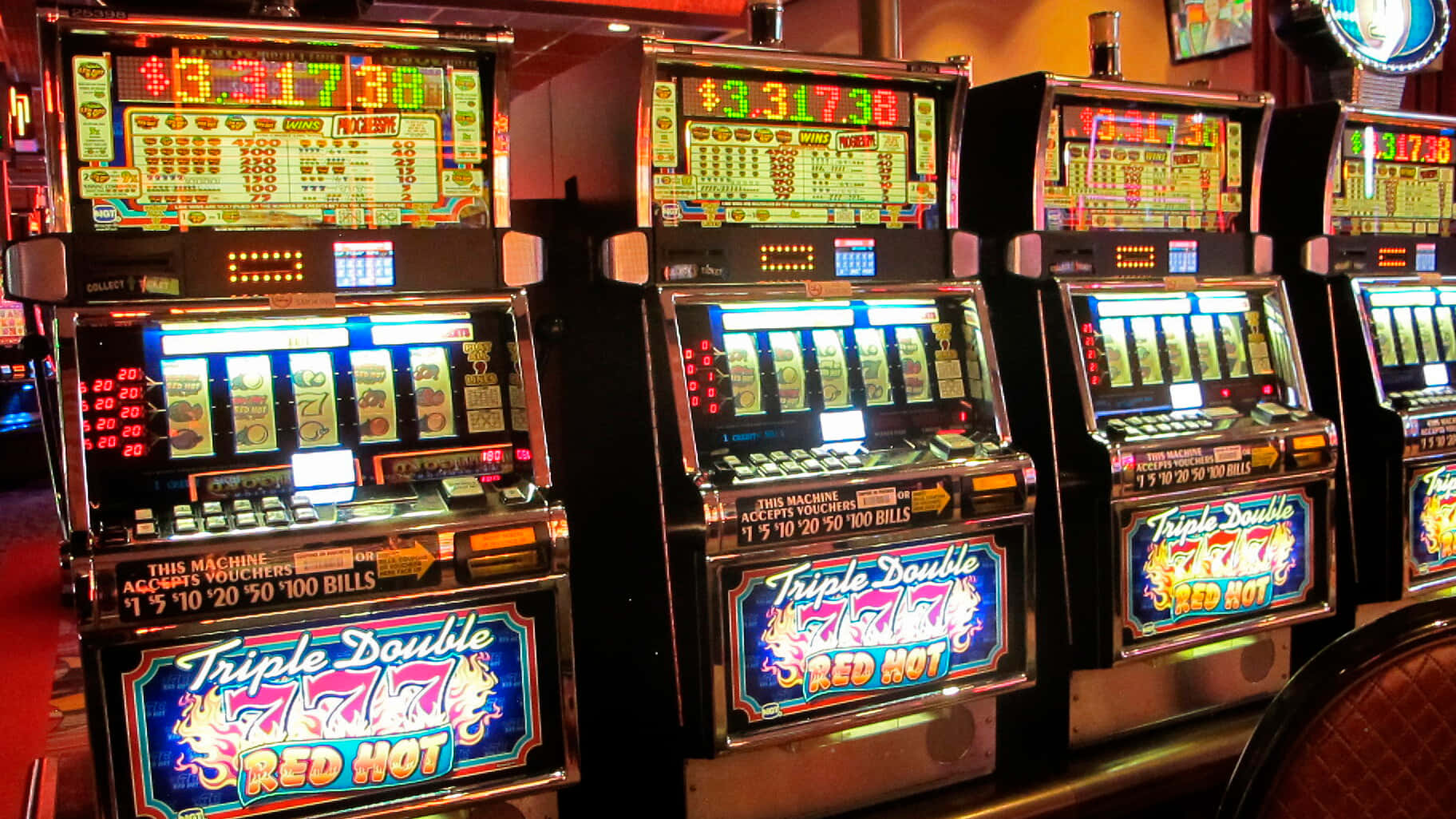
Casino table enthusiasts looking to maximize VIP progression speed while not forsaking their preferred games possess a few tactical options. Some programs offer higher contribution rates on certain high-house-edge side bets, like perfect pairs in blackjack or tie bets in baccarat. Video poker occupies in a interesting middle position: its contribution rate is often 10% or less because skilled play can drive the return-to-player percentage above 99%. We have even seen programs that bar certain full-pay video poker variants from point earning entirely, a restriction that is stated only in the game weighting table hidden in the terms section. Sports betting adds another variable: point earning is usually based on the lesser of stake or potential win, and system bets may be omitted or calculated differently.
Variance and Comp Approach on Slots
Even throughout the 100% contribution category of slots, the pick of title influences how effectively a player converts deposits into loyalty points. High-volatility slots offer larger but less frequent wins, meaning a player could cycle the same deposit through many more spins during a losing session, generating more points per euro deposited than a low-volatility game where frequent small wins extend playtime but reduce the total wagering turnover relative to the deposit. This creates a counterintuitive situation where chasing VIP status through volatile slots can be point-efficient but balance-destructive, while steady low-volatility play protects the bankroll but slows tier ascent. We advise players establish their primary goal—status, entertainment time, or bankroll preservation—before selecting a slot portfolio for a grinding session.
The third The Concrete Perks That Shape a VIP Experience
Status labels and online badges are the least important part of any VIP program, yet they get the strongest visual emphasis in marketing. The real substance lies in a set of practical and economic perks that directly influence how a player adds funds, gambles, and cashes out. We have grouped these benefits into three clusters: financial acceleration, customized service, and experience-based rewards. Financial acceleration covers higher deposit limits, faster or no-fee withdrawals, decreased playthrough requirements on bonuses, and rebates calculated on net losses rather than theoretical play. Personalised service means having a dedicated account manager accessible via direct message or phone, who can personally process withdrawals, design tailored bonus packages, and handle complaints without the player standing in line in regular support channels.
Lifestyle rewards are the most prominent luxury layer—offers to sports events, concert tickets, physical gifts, and all-expenses-paid trips. These are real and often executed at a high standard, but we note that their practical value depends strongly on geography and personal circumstances. A Swiss player in Zürich might view a VIP ski weekend in St. Moritz much more accessible and appealing than a poker tournament package in Las Vegas, which involves long-distance travel and time away. The most steadily valuable experiential perk we monitor is the birthday or anniversary gift, which in well-run programs is a tangible item or a no-wagering cash bonus rather than ordinary free spins.
- Elevated withdrawal caps and fast-track processing: VIPs often see daily or weekly withdrawal ceilings eliminated fully or fixed at figures that cater to high-roller play, with processing shortened from 48–72 hours to as little as 4–12 hours.
- Bespoke bonus construction: Instead of taking public promotional terms, VIP account managers often arrange personalized match percentages, decreased playthrough, and game-specific bonuses matched to the player’s favourites.
- Loss rebate programs: Weekly or monthly rebates calculated on true net losses, often spanning from 5% to 20%, awarded as withdrawable cash rather than bonus credits with wagering conditions.
7. Platform Compatibility, On-the-go Play, and Elite Account Management
The platform through which a gambler accesses a casino—desktop browser, native mobile app, or mobile web—does not change the underlying VIP mechanics, but it does affect how seamlessly VIP benefits are accessed in daily use. We have tested VIP account management interfaces across several platforms and identified a meaningful gap between the desktop dashboard experience and the mobile one. On desktop, VIP players usually see a dedicated portal showing real-time point balances, pending cashback, upcoming event invitations, and a direct messaging channel to their host. Mobile versions, particularly those accessed through a browser rather than a native app, sometimes condense this into a simplified loyalty screen that excludes the direct contact channel and requires navigating back to the main support section to reach the host. This friction is small but persistent, and it erodes the sense of immediacy that is supposed to define the VIP experience.

Native mobile apps tend to incorporate VIP functions more cleanly, with push notifications for cashback credits and event invitations taking the place of email announcements. For Swiss players who spend most of their playing time on mobile devices—a pattern we see across all demographics—the presence of a well-designed native app with full VIP dashboard functionality is a real differentiator. It transforms the VIP relationship from something managed occasionally on a laptop to a continuously accessible service layer. We suggest that mobile-first players examine the VIP dashboard specifically during their first weeks after receiving an invitation; if the mobile experience feels like an afterthought, it often suggests that the program’s technology investment has trailed its marketing promises.
Protection and Responsible Gaming at VIP Scale
Increased account activity introduces elevated security scrutiny, and VIP programs interact with fraud prevention and responsible gaming protocols in ways that players should grasp proactively. Large withdrawals, unusual bet patterns, or sudden spikes in deposit frequency initiate automated reviews even for VIPs, and while an account manager can hasten these, they typically cannot bypass them entirely. We have seen that VIP players who keep transparent communication with their host about upcoming large transactions experience far fewer holds than those who let activity spikes occur without context. Responsible gaming tools—deposit limits, session timers, and self-exclusion options—continue fully available and, in reputable programs, are actively discussed during VIP onboarding. A host who sidesteps the responsible gaming conversation entirely is a red flag, while one who incorporates it professionally into the welcome process indicates a program built on regulatory substance rather than purely on revenue extraction.
The Licensing and Dispute Resolution Layer
VIP status does not grant immunity from the standard player protection mechanisms that a casino’s licensing jurisdiction provides. A Swiss player on an internationally licensed platform retains access to the alternative dispute resolution body designated by that licence, and VIP treatment does not waive the operator’s obligation to handle complaints through formal channels if a dispute escalates. We regard this as an essential safety rail that prevents the VIP relationship from becoming a closed loop where the player has no external recourse. Before accepting a VIP invitation, checking the platform’s licence details—typically found in the website footer—and identifying the relevant ADR provider is a due diligence step that protects the player’s long-term interests more than any single bonus offer ever could.